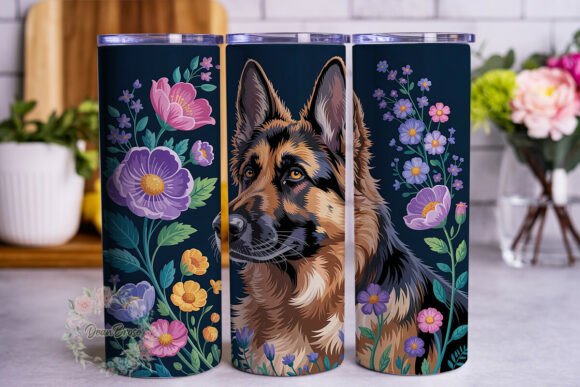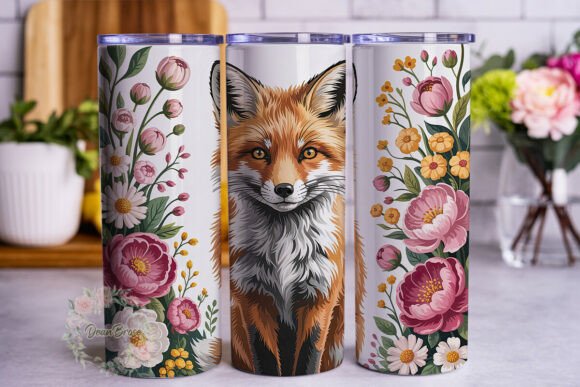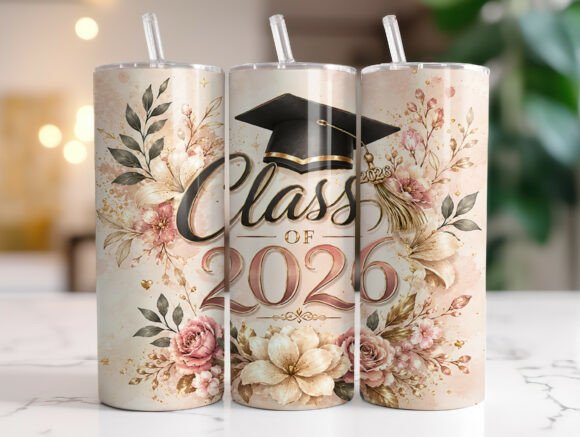
Class of 2026 Floral 20oz Tumbler Wraps
I have spent years reviewing embroidery files for my own boutique and for clients who need reliable assets for their craft businesses. Usually, when I see a product labeled as Class of 2026 Floral 20oz Tumbler Wraps, my first thought is about the specific constraints of tumblers versus flat apparel. However, as an experienced designer evaluating this asset before integrating it into a broader project line, I wanted to look past the basic description and consider how these graphics function in a real-world production environment.
The market is flooded with generic graduation templates, but there is a distinct difference between a file that looks good on a screen and one that holds up under the needle or print head. This review focuses on the practical application of these Graphics and how they might translate from a digital preview to a tangible, high-value finished product.
First Impressions: Mood and Visual Personality
When I first opened the design files, the immediate takeaway was the balance between celebration and elegance. The floral theme suggests a softer, more organic approach compared to the bold, block-letter styles often seen in standard graduation merchandise. For a designer looking to create something unique, this Class of 2026 Floral 20oz Tumbler Wraps collection offers a mood that feels both celebratory and timeless.
The layout appears designed to wrap around a cylindrical surface, which dictates how the elements are spaced. In a flat embroidery context, this curvature can be tricky, but the provided straight and tapered PNG files suggest a thoughtful approach to visual flow. The detail level seems appropriate for medium-sized projects where you want the eye to travel across the piece without getting lost in clutter. It creates a sense of premium quality that is essential for Etsy sellers and small shop owners trying to differentiate their brand from mass-produced items.
Real-World Application: Beyond the Tumbler
While the title explicitly mentions tumblers, a savvy designer knows that versatile design assets can expand into other categories. I recently considered using similar floral graduation motifs for a custom embroidered tote bag intended for a local university's senior department. The logic here is simple: if the design fits the curve of a skinny tumbler, it can easily adapt to the flat plane of a canvas tote or the curved crown of a baseball cap.
Imagine preparing a personalized gift set for a graduating student. You might pair this embroidery design with a satin ribbon and a high-quality hoodie. The floral elements would add a touch of sophistication that appeals to parents buying gifts, while the "Class of 2026" text anchors the item in a specific time. This kind of versatility is crucial for commercial embroidery projects where inventory turnover depends on creating multiple SKUs from a single core design concept.
In scenarios involving baby clothes or nursery decor, the softness of the floral pattern allows the design to transition well. A baby shower gift featuring a "Class of 2030" (or even a playful nod to the future) could utilize these same graphic principles. The key is understanding how the stitch density interacts with different fabric textures. On a sturdy cotton twill used for aprons or kitchen towels, the design will likely hold its shape beautifully, offering a professional finish that justifies a higher price point.
Technical Considerations for Stitching
Before committing to a full production run, I always recommend testing the machine embroidery design on scrap fabric. This step is non-negotiable, especially when dealing with complex layouts like tapered PNG files. The goal is to ensure that the satin stitch edges remain crisp and do not pucker when pulled tight against the material.
If you are planning to use this on stretchy fabric like jersey knit, you must pay close attention to the hoop size and the type of stabilizer used. Without proper support, the floral details could distort, ruining the clean lines that make this design attractive. For dark fabric, you might need to adjust your thread colors or add a backing layer to prevent the background color from bleeding through the lighter floral elements.
It is also vital to inspect the corners of the design. Many floral patterns lose definition at the edges, making them look messy on smaller items like embroidered patches or hat brims. If the original file does not specify the exact stitch count, you should verify the density yourself. High-density areas can sometimes cause the fabric to bunch up, particularly on thinner materials like tea towels or lightweight shirts.
Where to Use Caution
Not every project is a fit for this design. While the Class of 2026 Floral 20oz Tumbler Wraps are excellent for larger surfaces, they may struggle on very small hoops. If you attempt to shrink the design down too much, the fine details of the flowers might disappear or become indistinguishable blobs of thread. Similarly, highly textured fabrics, such as heavy fleece or bouclé, can obscure the intricate lines of the running stitch and fill stitch work.
For products that require frequent washing, such as children's clothing or work aprons, ensure that the design is anchored securely. Loose threads or weak stitching points can lead to premature wear, damaging the reputation of your handmade product. Additionally, be mindful of layered garments; if the design is placed over a pocket or a seam, the thickness of the underlying layers can affect the final appearance.
Impact on Brand and Customer Trust
In the world of handmade products, presentation is everything. A well-executed design like this one elevates the perceived value of the item. When customers see a cohesive, professionally stitched graduation motif on a custom apparel item, they trust the maker more. It signals attention to detail and a commitment to quality.
For digital product sellers, having a clear, high-resolution preview of how the design looks on a mockup is equally important. If you are selling printable mockups or design assets, showing how the embroidery project translates to a real object helps buyers visualize the outcome. This transparency builds engagement and reduces returns caused by mismatched expectations.
Practical Designer Notes for Success
To get the most out of this asset, follow these practical steps:
- Test First: Always run a test stitch on scrap fabric to check for puckering and alignment.
- Check Contrast: Review how the design looks in black and white mockups to ensure the contrast between the text and the floral elements is sufficient.
- Verify Licensing: Before selling finished items or including this in a commercial bundle, confirm the licensing terms regarding small shop products.
- Stabilize Properly: Use the correct stabilizer for your fabric weight to maintain the integrity of the embroidery file.
- Inspect Details: Zoom in on the digital files to ensure no tiny lettering or decorative accents are missing or broken.
Ultimately, the Class of 2026 Floral 20oz Tumbler Wraps offer a strong foundation for creating memorable graduation memorabilia. Whether you are crafting a personalized gift for a friend or building a robust catalog for your online store, the key lies in execution. By respecting the technical limitations and leveraging the aesthetic strengths of the design, you can produce finished products that stand out in a crowded marketplace.