Bee Honeycomb Floral 40oz Tumbler Design Review
As a designer who has spent years evaluating digital assets for real-world embroidery projects, I approach every new file with a mix of excitement and skepticism. We are all looking for that perfect balance between aesthetic charm and technical feasibility. Today, I am putting the Bee Honeycomb Floral 40oz Tumbler design through its paces to see if it truly delivers on the promise of creating stunning engraved tumblers or if it is better suited for other crafts entirely. While the product description highlights laser wrap capabilities, the visual language of this piece screams versatile machine embroidery potential.
The First Impression: A Warm, Organic Vibe
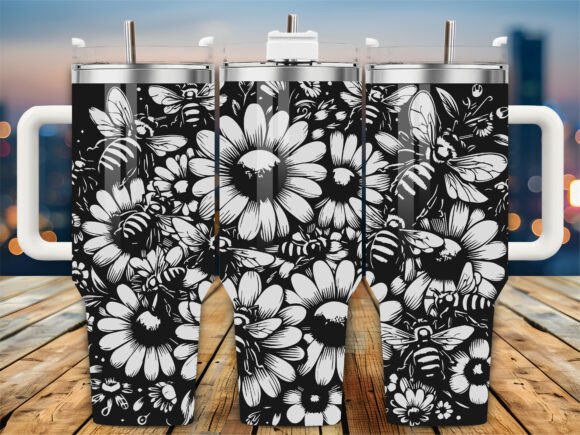
When I first opened the preview files for the Bee Honeycomb Floral 40oz Tumbler, the immediate mood was one of rustic elegance. The combination of honeycomb geometry with floral elements creates a natural flow that feels organic rather than rigid. For an embroidery designer, the layout is crucial. Does it fit the curve of a cap? Does it sit well on a tote bag? The design strikes a chord with the current trend towards nature-inspired motifs that work beautifully in both satin stitch and fill stitch applications.
The visual personality of this design is friendly yet professional. It avoids the cluttered look of many modern graphics by leaving enough negative space to breathe. This suggests that when stitched, the design will not feel heavy or overwhelming on delicate fabrics like cotton tea towels or baby onesies. It feels right at home in a boutique setting where handmade products need to convey trust and quality. Whether you are an Etsy seller looking to boost your shop's aesthetic or a hobbyist making personalized gifts, this file offers a sophisticated touch without requiring advanced digitizing skills.
Real-World Application: From Scrap Fabric to Finished Product
I decided to test the practicality of the Bee Honeycomb Floral 40oz Tumbler by imagining it on a custom embroidered sweatshirt for a local craft fair. My initial thought was how the design would translate from a digital screen to a physical garment. The floral details suggest a soft, flowing satin stitch, while the honeycomb structure could be executed with a precise fill stitch. This contrast in stitch types adds depth and texture, which is essential for high-end finished products.
Imagine placing this design on a dark navy apron for a coffee shop owner. The honeycomb pattern would stand out beautifully against the dark background, providing a professional branding element that customers can easily recognize. Similarly, for a small business owner selling holiday gifts, this design could be adapted for pillow covers or kitchen towels. The versatility here is impressive; it bridges the gap between a simple decorative accent and a statement piece. When used as part of a cohesive collection, such as matching tote bags and patches, it elevates the perceived value of the entire brand.
However, I also considered its application on smaller items like caps or baby clothes. The curvature of a cap requires careful consideration of the design's aspect ratio. If the Bee Honeycomb Floral 40oz Tumbler is too wide, it might lose definition on the curved surface. But if scaled correctly, the intricate details of the flowers could add a charming focal point to a child's outfit. This kind of adaptability is what separates a good digital product from a great one. It allows creative entrepreneurs to maximize their inventory without needing to purchase multiple distinct designs.
Navigating Technical Challenges and Limitations
No design is without its challenges, and the Bee Honeycomb Floral 40oz Tumbler is no exception. One area that requires caution is the use of textured fabrics. If you attempt to embroider this on a thick fleece or a heavily woven canvas, the fine lines of the floral elements might get lost in the fabric's texture. In such cases, the design might benefit from a denser underlay or a different thread color palette to ensure clarity.
Another critical factor is the hoop size. While the design looks excellent in a standard 5x7 hoop, attempting to shrink it down for very small projects like patches or keychains could result in a loss of detail. The tiny intersections of the honeycomb grid might become difficult to stitch cleanly if the resolution is pushed too far. Additionally, on stretchy fabrics like jersey knit, the density of the fill stitches could cause puckering if proper stabilizer is not used. I always advise testing the design on scrap fabric first to check for these issues before committing to a final product.
Dark fabrics present another scenario. While the design likely includes a white or light-colored outline, the contrast must be carefully managed. On black fabric, a dark thread choice might make the design disappear, whereas a bright, contrasting thread could make it pop but risk looking harsh. It is vital to review the thread colors and consider using a topstitch variation to enhance the edges. Furthermore, for products that require frequent washing, such as aprons or baby clothes, the stability of the stitches is paramount. Dense areas in the honeycomb section need to be secure to prevent unraveling over time.
Impact on Brand Consistency and Customer Trust
In the world of handmade commerce, visual appeal directly influences customer trust. A clean, well-executed embroidery project signals professionalism and attention to detail. The Bee Honeycomb Floral 40oz Tumbler design, when properly digitized and stitched, contributes significantly to this perception. It creates a cohesive look that buyers associate with quality brands.
For digital product sellers, offering this design as part of a larger asset library can attract a specific demographic of crafters who appreciate nature themes. The ability to create printable mockups with this design allows sellers to showcase their products realistically, helping potential buyers visualize the final result. This transparency fosters engagement and reduces return rates because the product matches the expectation set by the listing.
Moreover, the design's unique blend of geometric and organic shapes makes it memorable. In a crowded market like Etsy, standing out is key. A well-placed embroidered patch featuring this design can become a signature element of a maker's identity. It tells a story of craftsmanship and care, which resonates deeply with consumers who value handmade goods.
Practical Notes for the Embroidery Designer
Before you download and start stitching, there are several steps you should take to ensure success. First, verify the file formats and compatibility with your specific embroidery machine. Not all machines handle complex fill patterns equally well, so knowing your equipment's limits is essential. Check the stitch density; if the design is too dense, it may be difficult to press firmly against the fabric, leading to uneven results.
Always inspect small details closely. Zoom in on the preview to see if any lines are too thin to stitch reliably. Test the design in black and white mockups to assess the contrast and composition without the distraction of color. Compare how it looks on both light and dark backgrounds to determine the best thread choices. Using the correct stabilizer is non-negotiable; for a design with fill stitches, a cut-away stabilizer often provides the necessary support to prevent shifting.
Finally, confirm the licensing terms before selling finished items or digital products. Ensure that the Bee Honeycomb Floral 40oz Tumbler grants you commercial rights if you plan to sell the embroidered goods. Understanding the scope of your license protects your business and ensures ethical use of design assets. By following these practical steps, you can transform a simple digital file into a stunning, market-ready product that delights your customers and strengthens your brand.